Coverage across every facility in one view. And the agencies you rely on, in the same system.
Fill open shifts from your own workforce first, bring external coverage under control, and see the spend before the invoice lands. No silos. No surprise costs. No guessing.
Health systems run workforce operations across facilities, departments, and a roster of outside agencies, on tools that do not share a view. The gaps get expensive: an open shift filled by premium external coverage that a float could have covered, an agency clinician who is not credentialed for that site, an invoice nobody can reconcile. Kimedics is the clinician workforce operations platform built by healthcare operators: internal scheduling, credentialing, external coverage, time, and pay in one workspace, shared with the agencies you work with.

Four jobs that never stop across a health system
Ask the workforce operators inside any health system, and the same four jobs come up. None of them ever finish. Every facility and every agency makes them harder.
External coverage fills gaps you could have seen coming
When an open shift is not visible early, it gets handed to premium external coverage before anyone checks whether a float clinician or an open block of internal capacity could have covered it. The shift gets filled. It just costs more than it needed to, and the pattern repeats because nobody sees it forming.
Vendor management runs in a dozen inboxes
Most systems run several agency relationships at once, each with its own submission process, rate structure, and email trail. There is no central view of who was sent, who is credentialed at which facility, or which agencies actually deliver, so gaps get filled by whoever answers first rather than whoever fits best.
Credentialing across every facility
Each facility has its own requirements, and every agency clinician has to be credentialed for the site they cover. Multiply that across facilities and partners and the exposure is constant: a clinician deployed before clearance, an expiration nobody caught, an audit request that means digging through inboxes instead of pulling a record.
Timesheets, invoices, and spend
Agency invoices have to reconcile against contracted rates, internal time against pay rules, all by hand. Finance finds out about the cost after the money moves, external coverage spend accumulates before anyone holds a consolidated view, and whether outside help cost more than covering internally goes unanswered.
The whole picture, across every facility
Coverage, float availability, and external staffing read months out in one live view, instead of living in separate schedules and agency threads.
- See open shifts against internal availability before you reach for outside help
- Track external coverage and credential status across every facility, not agency by agency
- Spot coverage gaps and expirations weeks ahead, so premium coverage is a choice, not a scramble
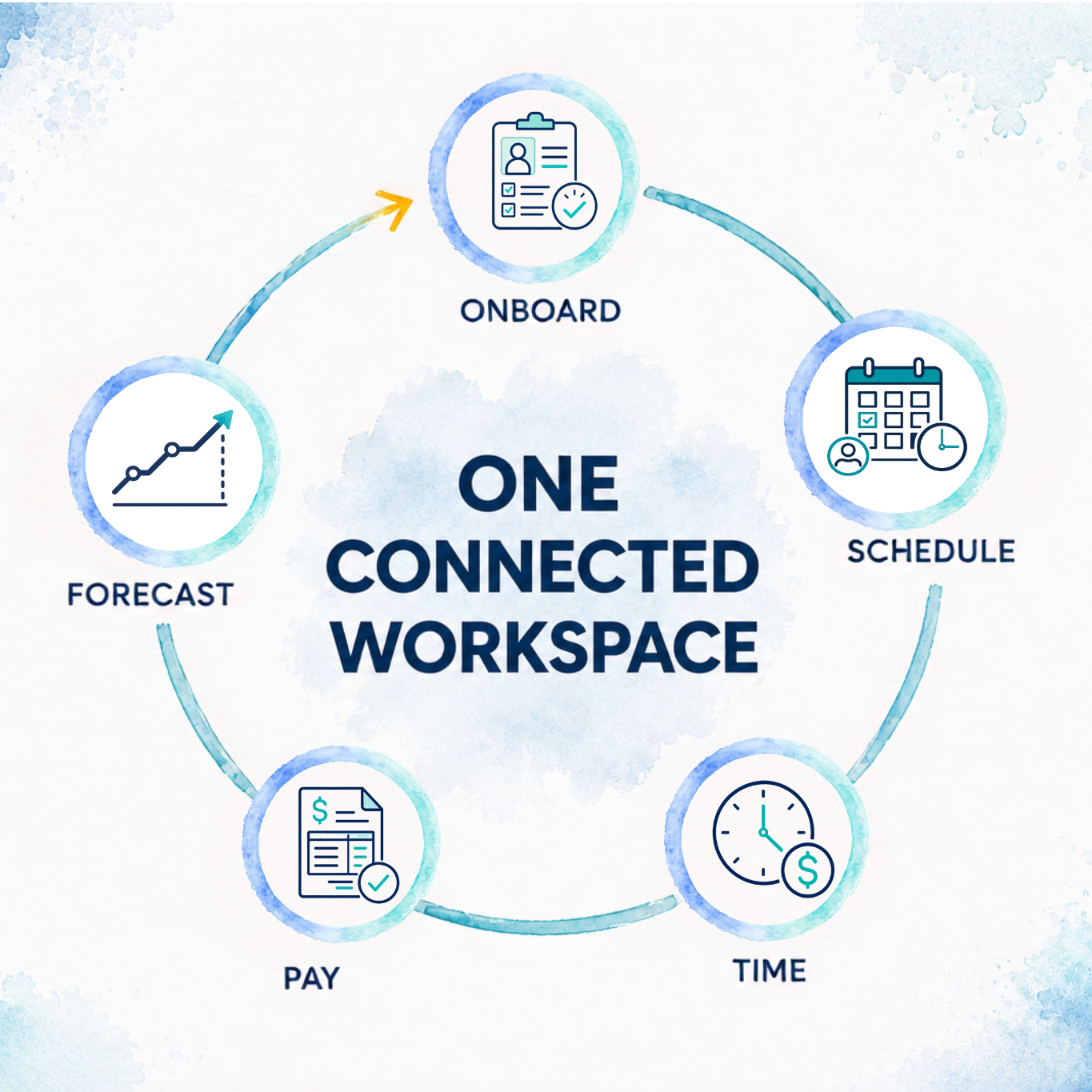
How a health system runs its week on Kimedics
Five connected workflows, in the order your operation already moves.
Onboard and credential
Schedule across facilities
Manage external coverage
Capture and approve time
Reconcile pay and spend
Work from the same picture as your staffing partners
Kimedics is the one platform built to bring health systems and staffing agencies onto the same data, the same workflows, and the same live status.
No more chasing agencies for status
When your staffing partners work in Kimedics, you are not emailing for submission updates or hunting down credential files. Both sides see the same open shifts, the same credential status, the same approved hours.
One system, not a marketplace
Kimedics is independent, not owned by an agency, and it does not put you and your partners on opposite sides of a marketplace. Everyone runs on shared visibility, so the hand-off that used to fall through the cracks simply does not.
Questions health systems ask
Does Kimedics work for hospitals and health systems as well as staffing agencies?
Yes. Both are first-class users. A health system and the agencies it works with can operate from the same data, the same workflows, and the same live status, so coverage and credentialing stop living in two disconnected systems.
What is Kimedics for a health system?
Kimedics is the clinician workforce operations platform built by healthcare operators. For a health system it brings internal scheduling, credentialing, external coverage, time, and pay into one workspace, with a single view of coverage across every facility.
What is the difference between a VMS, an MSP, and Kimedics?
A VMS manages staffing suppliers from a procurement point of view. An MSP is a service wrapped around a VMS, where a third party runs the workforce program on your behalf. Kimedics is a clinician workforce operations platform: it runs the operational workflow your schedulers, coordinators, and credentialing teams use every day, rather than sitting on top of it as procurement or service.
How does Kimedics help reduce premium external coverage spend?
By making open shifts visible early. When you can see internal availability and float capacity against an open shift before it goes to an agency, external coverage becomes a choice rather than a scramble, and the spend is a budgeted decision instead of a surprise on the invoice.
How does Kimedics handle credentialing across multiple facilities?
Each facility's requirements live in the system, and every clinician, internal or agency, is tracked against the sites they cover. Expirations surface weeks ahead and records pull in seconds, so an audit request does not turn into a search through inboxes.
Can our staffing agencies work inside Kimedics with us?
Yes. Your staffing partners can submit, credential, and confirm coverage in the same system you already run. You are not chasing agencies for status by email, and both sides see the same open shifts, credential status, and approved hours.
Walk us through your coverage
Tell us how coverage runs across your facilities. A 30-minute conversation about how your system handles scheduling, credentialing, external coverage, and spend is enough to show you where Kimedics fits and what changes when it does.
Book a 30-minute call